Should companies help meet litter collection costs?
An estimated £850 million pounds’ worth of council tax is spent annually gathering around 30 million tonnes of litter from the streets of Britain. As a result, many local authorities are looking to find ways of reducing expenditure but without impacting on services.
According to waste management industry body the Environment Services Association (ESA), local authorities would save £300m each year if firms who make products that are the worst litter culprits helped meet some of the costs.
These include cigarette butts, costing an estimated £140m per year to clear up; littered chewing gum (around £60m); and fast food packaging - £100m.
"ESA's policy paper recommends the introduction of producer responsibility levies on the manufacturers of some of the most frequently littered items," comments Jacob Hayler, executive director of ESA. "This money would be used by local authorities to cover litter clean-up costs or to help fund anti-litter campaigns."
The ESA is calling on the government to consider the role that Extended Producer Responsibility (EPR) policies could play in its litter strategy. The national litter strategy is made to create a coherent clean-up plan for England.
However, passing costs on does not stop the problem at the root. An effective litter strategy put in place by councils and local authorities is the first step in tackling possible problems at the root cause. This should encourage residents to take responsibility for disposing their waste.
MD Patience Atkinson–Gregory comments: “It is true that there are certain products which are more prone to littering. These have a large cost implication for council funding –. The ESA proposal would save councils money but wouldn’t solve the underlying problem.”
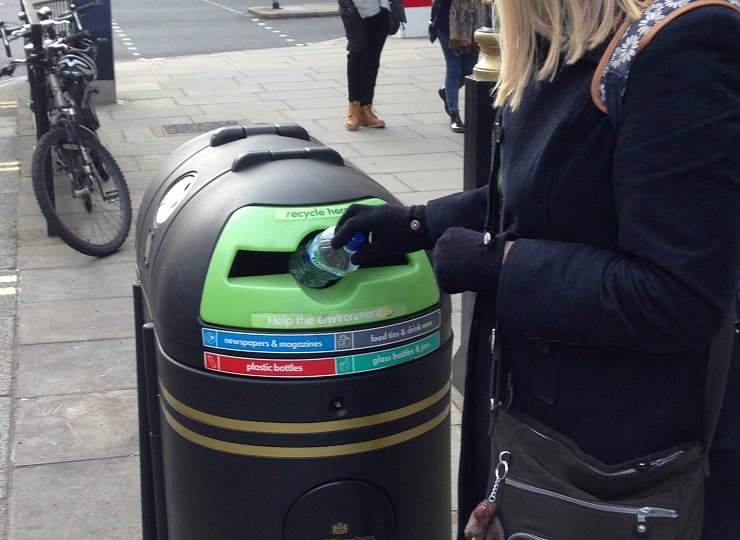
Clear signage and the correct size/shape of aperture are key to ensuring that people use the bins provided. For example, many Amberol bins have stubber plates for cigarettes and gum catchers to deal with this particular sticky problem. Amberol bins are also available in a wide range of colours to help them stand out and get noticed. It’s important that councils invest in the right products to match their litter strategy.
Amberol bins have helped a number of councils and communities to tackle litter issues, you can find out how by looking at our client case studies.